CUSTOMER STORYTELLING — JOURNEY → DECK → INTERACTIVE DEMO → HANDOFF
A customer-ready story for step-free routing—confidence signals that teams can demo
Translated accessibility + routing constraints into a clear journey narrative, interactive prototype, and deck-ready visuals—built to explain complex logic fast and scale with reusable patterns.
Metrics: 10 key screens • 12 components • 1 journey map • 3 story iterations • 6 feedback loops
ROLE
Experience Design (UX)
EXPERTISE
Journey • Deck • Prototype • Storyboard
YEAR
2024
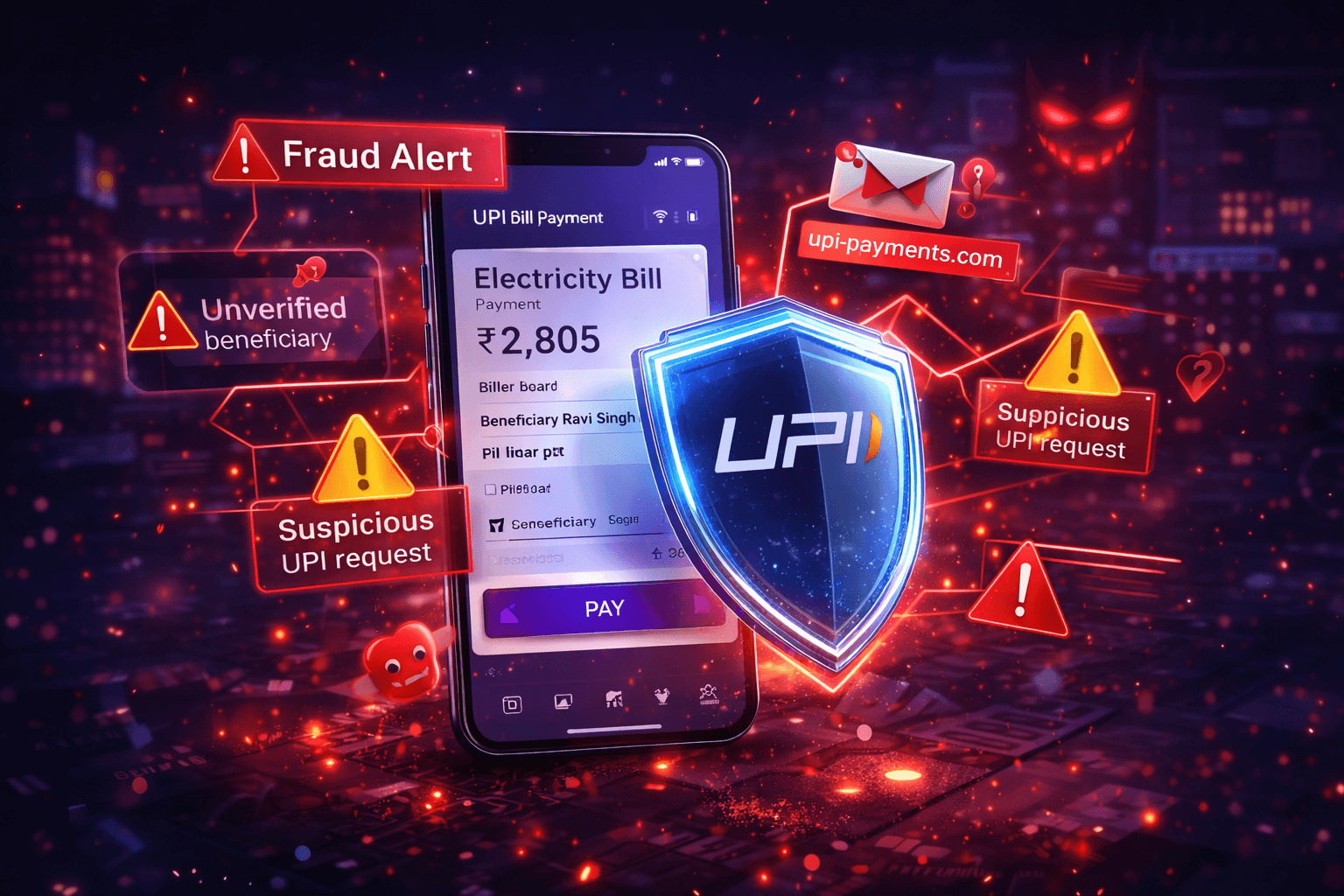
UPI Shield is a trust-first safety layer for UPI payments—packaged as a customer-ready story that helps users verify intent, recognize risk, and recover safely without slowing down everyday transactions. Instead of fear-based warnings, it uses clarity-first risk cues, safer defaults, and one-tap recovery actions (cancel/hold/report/block) so decisions stay fast, confident, and explainable.
The work is designed for both demo and delivery: business + risk requirements → decision flow → interactive prototype → reusable warning components + edge states → handoff-ready specs.
Timeline
3–5 weeks — Requirements/Threat scenarios → Decision flow → Hi-fi → Interactive demo → Validation loops → Handoff
Shipped: warning component kit + variants, risk states (empty/loading/error/recovery), and dev-ready specs for consistent rollout.
Why this matters
UPI fraud often happens in seconds—users act under pressure (calls, urgency, fake “refunds”). A good solution must reduce cognitive load, explain risk in plain language, and make the safest next action the easiest—while providing recovery when mistakes happen. UPI Shield turns a risky moment into a clear decision path that’s easy to demo to stakeholders and consistent to implement.
Deliverables
Decision flow • Risk cues system • Interactive prototype • Storyboard • Reusable warning templates • Handoff specs
End-to-end, trust-first experience design—aligned with stakeholders early, built around decision moments, and packaged as demo-ready storytelling assets + ship-ready specs.
1) Cross-functional + constraints
Partnered with PM + Engineering to translate fraud risk + trust constraints into a clear decision flow, risk states, and recovery paths—ensuring feasibility, speed, and consistency across implementation.
2) Templates/flows/diagrams
Used repeatable templates to map risk moments, flow logic, and state behavior—aligning stakeholders quickly and reducing rework during build and reviews..
3) Fast iteration
Iterated rapidly from flows → wireframes → hi-fi → interactive prototype, incorporating feedback loops to refine warning hierarchy, microcopy clarity, and confirm/recovery behaviors..
Research & Insights
Identified high-risk moments where users act under pressure: “request money” traps, fake support calls, urgency scripts, screen-share manipulation, and misleading merchant names.
Synthesized into 3 JTBD:
“Pay quickly with confidence.”
“Know if this payment is risky before I confirm.”
“Recover fast if I made a mistake.”
UX flows & information architecture
Designed flows around decision moments (not screens):
Intent check (pay vs request vs collect)
Risk check (context + patterns + merchant signals)
Confirm (clear amount/receiver + safer defaults)
Recovery (hold/cancel/report + next steps)
Prototyping & iteration
Ran rapid iterations on:
Warning hierarchy (what shows first, what’s primary action)
Microcopy (plain language “why risky” in 1 line)
Confirm clarity (receiver/amount prominence)
Edge states (mismatch, unverified, network delay, false positives)
Handoff-ready specs
Delivered a reusable warning + state system:
Variants for risk severity
Empty/loading/error/recovery states
Dev-ready interaction notes + component specs, So implementation stays consistent, testable, and scalable.
Deliverables
Decision flow • Risk signals system • Interactive prototype • Storyboard/deck-ready narrative • Component + state library
UPI Shield delivers calm, fast payments by making risk understandable before confirm—and making recovery effortless after mistakes. Built as a customer-ready story: clear signals, safer defaults, and one-tap next steps—easy to demo and consistent to ship.
1) Reusable system contribution
Built a reusable risk + warning component kit with variants (severity, contexts), layout rules, and states—so the experience stays consistent across flows and scales with new fraud patterns.
2) Demo-ready prototyping + spec handoff
Delivered clickable hi-fi prototypes and clean specs (redlines, variants, empty/loading/error/recovery) and partnered with engineering for implementation + QA—ensuring what we present matches what ships.
Clarity-first confirmation
Redesigned the confirm step to surface who, what, and why upfront—receiver identity + amount + context with clear hierarchy.
Impact → fewer “paid the wrong person” mistakes • faster, more confident confirms
Safer defaults in high-risk moments
When risk is elevated, defaults shift to safer actions (review details, verify payee, use alternate method, delay payment).
Impact → reduced impulsive confirmation under pressure
Risk cues that don’t panic users
Introduced Low/Medium/High risk badges backed by one-line reasons (unusual amount, new receiver, mismatch, suspicious request pattern).
Impact → better decision-making without fear-based UX
One-tap recovery & reporting
If something feels wrong, users can Hold / Cancel / Report / Block with clear next-step guidance (what happens next, support options, timeline).
Impact → faster recovery • reduced helplessness after mistakes
Outcomes from UPI Shield’s end-to-end experience design—built to reduce payment anxiety, prevent high-cost errors, and enable calm, fast recovery. Packaged as a customer-ready trust story that’s easy to present and consistent to ship.
Reduced fraud-prone mistakes
Clear intent cues and confirmation hierarchy minimized “request vs pay” confusion and wrong-recipient sends—especially under pressure.
Impact → fewer wrong actions • higher perceived control • safer decisions before confirm
Faster, more confident confirmations
Risk cues with plain-language reasons helped users understand “why risky” in seconds—without overthinking or panic.
Impact → less hesitation • fewer “what now?” moments • quicker confident confirms
Stronger recovery when users slip up
One-tap Hold / Cancel / Report / Block flows reduced panic and provided immediate next steps with clear outcomes.
Impact → faster recovery • fewer dead-ends • higher confidence after mistakes
Scalable foundation for shipping
Reusable warning components + state-driven patterns kept behavior consistent across scenarios and simplified handoff for rollout.
Impact → cleaner specs • faster iteration loops • easier expansion (new risk rules, new payment contexts)
Learning
In high-stakes finance UX, trust isn’t “more warnings”—it’s clear intent, explainable risk, and graceful recovery.