END-TO-END UX — DISCOVERY → FLOWS → HI-FI → PROTOTYPES → HANDOFF
A calm system that helps people stick to routines
Research-led UX for planning, edge states, and handoff-ready specs—built for fast iteration and clarity
ROLE
UX Designer
EXPERTISE
UX · Prototyping · Design Systems
YEAR
2024
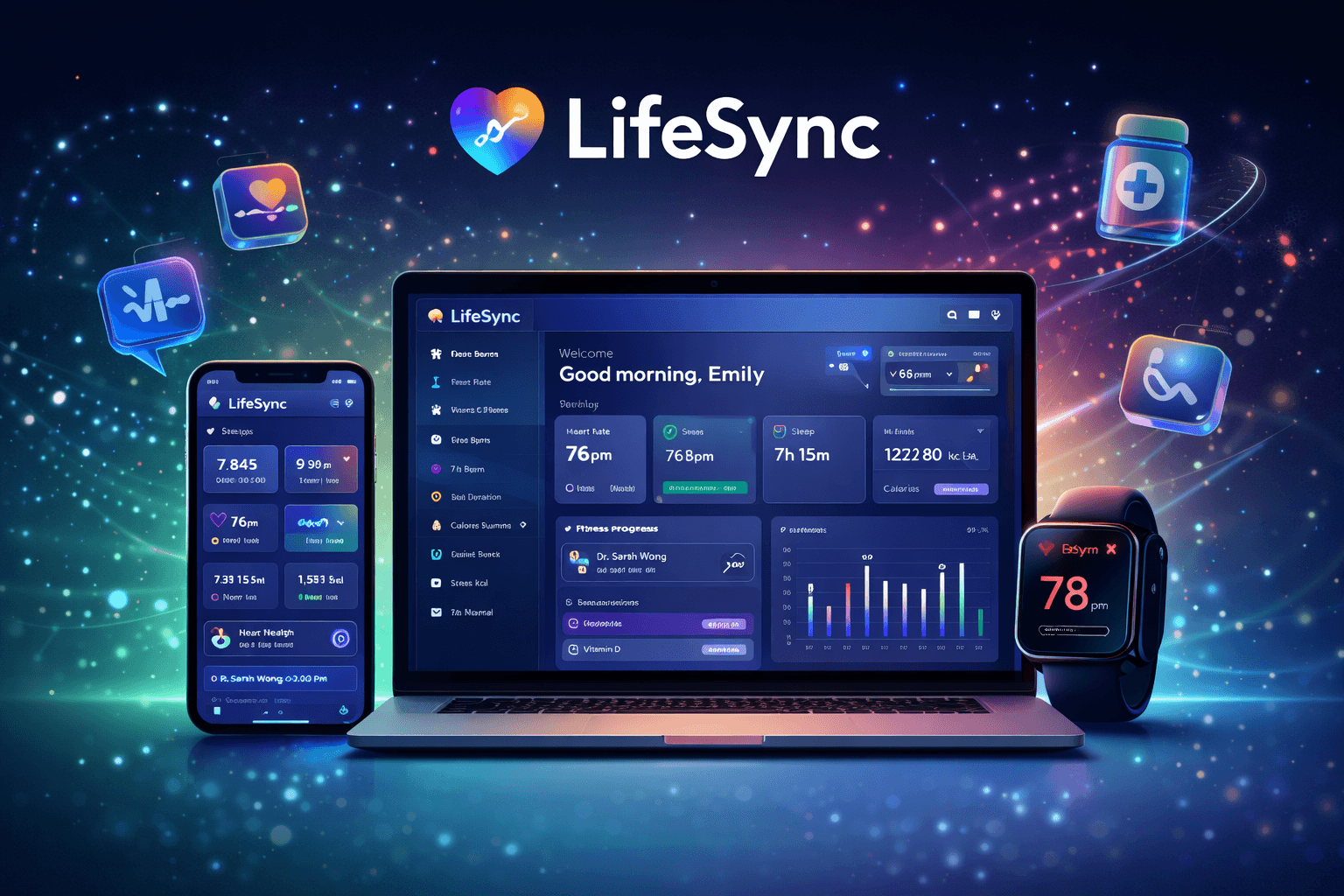
LifeSync is an adaptive routine + habit system designed to help users stay consistent when real life changes—unexpected tasks, low-energy days, missed routines, and shifting priorities. I translated user + business needs into clarity-first flows and scalable UI patterns, focusing on reducing decision fatigue and helping users recover fast after slip-ups.
The work covers end-to-end UX—problem framing, flows + IA, hi-fi screens, interactive prototypes, and handoff-ready specs (states, variants, and edge cases) so engineering implementation stays smooth and consistent.
Timeline
5 weeks — Discovery → flows/IA → hi-fi → prototype → handoff. Shipped 22 screens, 28 components, edge states + dev-ready specs for smooth implementation.
Background
Most habit apps assume stable days and reward perfect streaks—when life gets messy, users face guilt + complexity, leading to drop-offs. Users don’t need “more reminders”; they need a system that adapts—reduces cognitive load, supports recovery after misses, and turns long-term goals into realistic daily actions.
LifeSync focuses on fast iteration + clarity: designing mechanisms that help users choose the next best step, stay motivated without pressure, and maintain progress even when routines break.
This project followed an end-to-end UX workflow with a strong focus on reducing cognitive load and building trust in recommendations.
Research & Insights
Conducted quick interviews and surveys to understand why users drop routines (overplanning, guilt loops, notification fatigue, unclear priorities). Synthesized insights into jobs-to-be-done and defined success metrics: consistency, reduced planning time, and perceived control.
Design & Prototyping
Mapped core flows: onboarding → goal setting → routine generation → daily check-in → reschedule/recovery. Created low-fi wireframes, then high-fi UI with clear hierarchy, accessible typography, and reusable components. Prototyped key interactions (adaptive suggestions, quick reschedule, minimum-effort mode).
Development & Implementation
Designed a scalable system: tokens, components, and states (loading, empty, error, recovery). Ensured the experience remains fast and predictable while supporting personalization and future feature expansion.
LifeSync delivers a calm, adaptive experience that guides users from intention to action—without guilt or rigidity.
Adaptive Scheduling
Generates flexible routines based on goals, available time, and user constraints, then adjusts plans automatically when the day changes.
Clarity & Hierarchy
A “Today” view that highlights 1–3 priorities with a clear next action, reducing decision fatigue and keeping users moving.
Recovery & Reschedule
Slip-ups don’t reset progress. Users can reschedule in one tap, switch to minimum-effort mode, and continue without breaking momentum.
Here are the outcomes and learnings from the LifeSync design, focusing on clarity, consistency, and recovery after missed days.
Reduced planning friction
By surfacing a clear “next best action” and limiting daily priorities, users spent less time deciding and more time executing.
Improved consistency through recovery
The one-tap reschedule and minimum-effort mode helped users return after off-days without feeling “reset,” supporting longer streaks of real progress.
Scalable foundation
A reusable component system and state-driven flows (empty, loading, recovery) made the design consistent and ready for future iterations.